
A Snapshot of the Digital Nomad in 2026
What was an uncertain prospect in 2020 has become a reality in 2026, actively embraced by millions of people around the world. As in my case, the pandemic was the catalyst. But the definitive consolidation of the phenomenon has come with artificial intelligence, which has democratised access to this lifestyle in a way that few anticipated. Whereas in 2020 people asked me, “But is this even possible?”, in 2026 the question is quite different: “Why am I not doing it myself?”.
How many are there and who are they?
The digital nomad — that professional who uses technology to work from anywhere in the world — is no longer a marginal or exotic figure, but has become an economic segment that governments are actively competing to attract.
The figures speak for themselves. According to data from MBO Partners, by 2024 there were already more than 40 million active digital nomads worldwide, a figure that has grown consistently since the pandemic. Other studies put the range at between 40 and 80 million if highly mobile remote workers are included.
The demographic profile of the digital nomad in 2026 reveals some constants:
- 38% are millennials (born between 1981 and 1996), although Generation Z is gaining ground year on year
- 78% identify as male, although the gender gap is gradually narrowing
- 44% are US citizens, reflecting the high proportion of remote work in that market
- 90% state they have a university degree or higher
- 56% work full-time remotely for a conventional company; not all are freelancers
In terms of income, 36% work as freelancers for various clients, 33% run their own business, and 21% are permanent employees working remotely.
AI as an ally of digital nomadism
The major qualitative shift in 2026 compared to previous years lies not in the figures, but in who can access this lifestyle. Artificial intelligence has removed barriers to entry that previously excluded many professionals.
In 2022, the almost mandatory profile of a digital nomad was that of a developer, designer or marketer with advanced technical skills. In 2026, a teacher can create and sell complete courses using generative tools, a business consultant can produce analyses and presentations with AI assistance, and a professional from any sector can turn their knowledge into services that can be delivered remotely.
The professions best suited to digital nomadism in 2026 are:
- Developers and designers, now enhanced with integrated AI co-pilots
- Content creators and digital community managers
- AI consultants and automation implementers for SMEs
- Data analysts, where AI enhances the process but does not replace human judgement
- Designers of immersive experiences for the metaverse and augmented reality
But: where is digital nomadism heading?
The consensus among analysts and observers of the phenomenon points to several trends for the coming years:
- Market maturation and segmentation. The ‘novice nomad’ who changes destination every week is giving way to the ‘slow nomad’ who settles in one place for months or even years, seeking greater stability and community.
- Coordinated tax regulation. The current fragmentation of the international tax framework is unsustainable in the long term. We can expect multilateral agreements that simplify obligations for workers who live in several countries a year.
- AI as the ultimate leveller. As AI tools become more accessible and powerful, the skill threshold required to work remotely will continue to fall, bringing in professions that until now had no place in the model.
- ‘Work tourism’ as a category in its own right. International events such as the 2026 World Cup are already giving rise to a hybrid category between tourism and remote work: professionals who take advantage of major events to settle in the host country for weeks or months.
- Growth in specific infrastructure. Coliving, themed coworking spaces and digital nomad communities will continue to proliferate, creating entire ecosystems designed specifically for this demographic.
I draw some conclusions
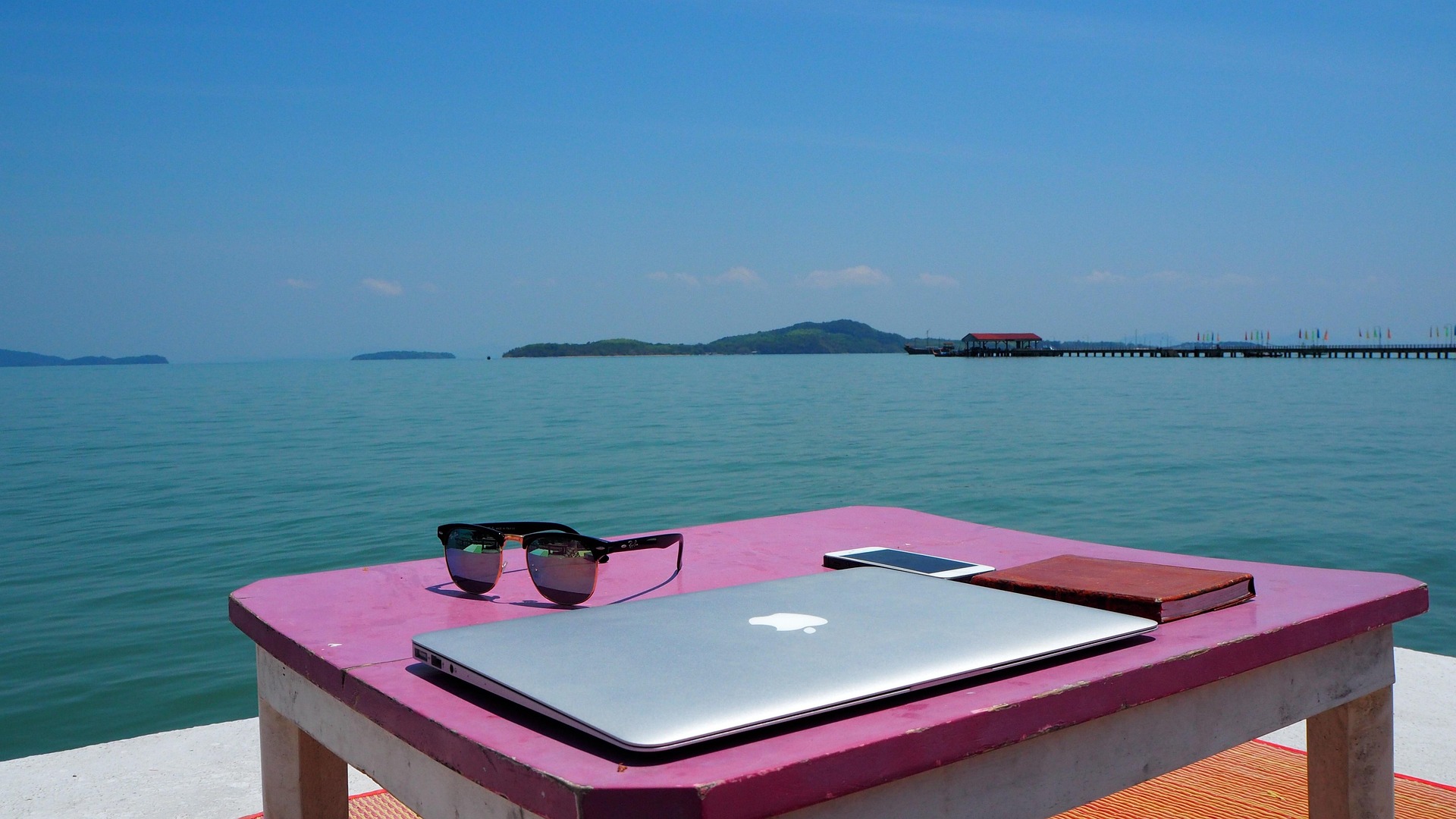
The profile of the digital nomad in 2026 reveals someone very different from the stereotype of the twenty-something freelancer with a laptop in a hammock. It is also the 40-year-old employee who negotiated full remote working with their company, the consultant with clients on three continents, or the AI specialist selling their services to SMEs worldwide from their flat in Tenerife.
What they all share is the conviction that the place where one works and the place where one lives do not have to be the same city, the same country, or even the same continent. And that by 2026, technology, regulation and attitudes will have matured sufficiently for that conviction to finally become a sustainable reality.